
High Resolution USB 2.0 Photo Slide Show Viewer Film Negative Scanner with 14MP CMOS Sensor and 2.4 Inch TFT LCD Display, Professional Monochrome Converter for 135, 126, 110 Film and Super8 Formats


High Resolution USB 2.0 Photo Slide Show Viewer Film Negative Scanner with 14MP CMOS Sensor and 2.4 Inch TFT LCD Display, Professional Monochrome Converter for 135, 126, 110 Film and Super8 Formats
High Resolution USB Film Scanner for 135, 126, 110 and Super8 Slides & Negatives

Converting your collection of photographic slides and film negatives into digital JPEG files is streamlined with this dedicated USB film scanner. Functioning as both a scanner and a Mass Storage Class Device (MSDC), it connects directly to your computer via USB 2.0, eliminating the need for complex software setups or expensive professional scanning services. It is designed to handle a variety of historical and contemporary film formats, making it a versatile tool for archivists, photographers, and hobbyists looking to preserve their analog memories. The inclusion of a 2.4-inch colour TFT LCD screen provides immediate visual feedback, allowing you to check the scan quality before saving.
Features and Construction
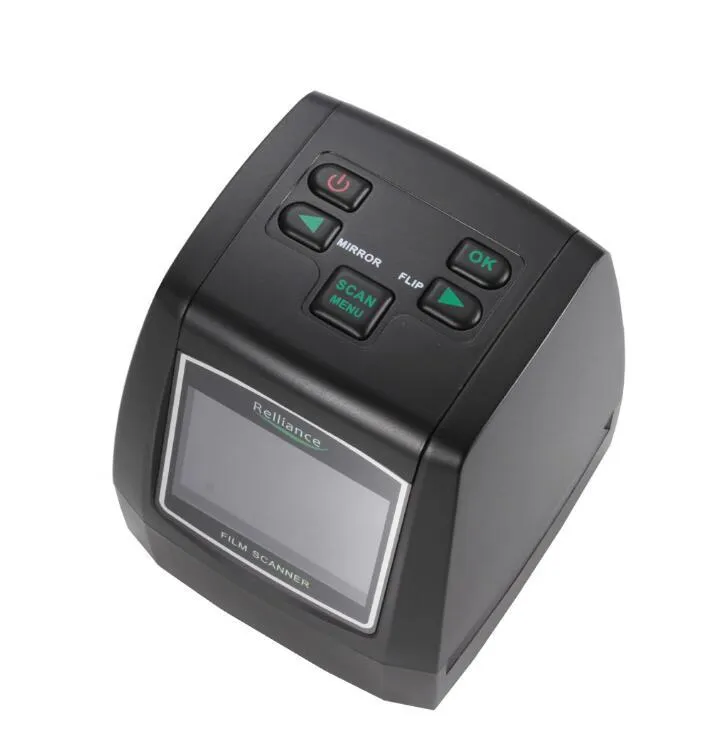
This scanner's core functionality is built around key hardware components that define its scanning capability and user interface. The construction prioritises a compact, desktop-friendly form factor suitable for home offices or studio side tables.
Material and Build
The device incorporates a 1/2.33-inch CMOS image sensor with a resolution of 14 megapixels (4416 by 3312 pixels), which is responsible for capturing the detail from your film. The front-facing user interface centres on a 2.4-inch colour TFT LCD display, used for menus and image preview. The housing is designed to be lightweight at 250 grams, with external dimensions of 87mm in length, 86.5mm in width, and 102.5mm in height, making it a portable solution for film digitisation.
Size and Practical Fit
With its modest footprint, the scanner can easily fit on most desktops alongside a computer. The 102.5mm height accommodates the internal mechanisms for film transport and the LCD screen. Its light weight ensures it can be moved or stored without hassle. The design integrates the necessary ports for USB connectivity and DC power input, keeping the external profile clean and user-friendly.
Uses and Placement

This device serves a clear purpose: converting physical film media into digital assets. Its applications range from professional archiving to personal photo restoration, fitting into various workflows.
Event or Professional Use
For professionals managing archives or photographers digitising portfolios, the scanner supports multiple film types crucial for different eras of photography. It can process standard 135 film (36x24mm), square 126KPK film (27x27mm), the smaller 110 film (17x13mm), and Super8 movie film frames (4.01x5.79mm). The ability to handle both monochrome and colour slide film adds to its utility in professional or library settings where diverse media types are encountered.
Everyday Home Use
At home, it offers a straightforward method to preserve family memories stored on old slides and negatives. Users can scan batches of film, preview them on the device's screen, and save them directly to the 128MB of internal memory or to a larger SD card (supporting up to 32GB). The scanner works with common operating systems, including Windows XP through Windows 8 and Mac OS 10.7.3 and above, ensuring broad compatibility with existing home computers.
Benefits and Buying Value
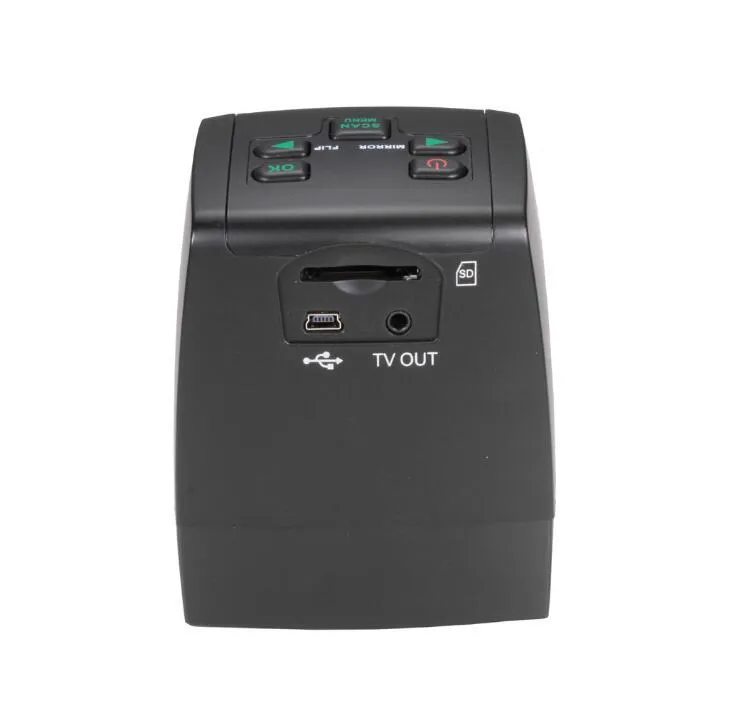
The value of this film scanner lies in its dedicated function, multi-format support, and integrated workflow features that simplify the digitisation process from start to finish.
Reuse and Low Maintenance
The device promotes the reuse of existing film collections by transforming them into durable digital files. Maintenance is minimal, centred on keeping the film path and sensor glass clean. It operates via USB bus power or a standard DC 5V adapter, requiring no specialised power supplies or ongoing consumables, which contributes to its long-term usability and low cost of operation.
Why Choose This Product
This scanner stands out for its specific support of less common formats like 126, 110, and Super8 film, which many all-in-one flatbed scanners cannot accommodate. The inclusion of manual exposure control (-2.0 EV to +2.0 EV) provides a level of adjustment for challenging negatives, while automatic white balance and exposure modes ensure simplicity for everyday use. The combination of a preview screen, built-in memory, and SD card support creates a self-contained workflow for reviewing and storing scans before transferring them to a computer.
