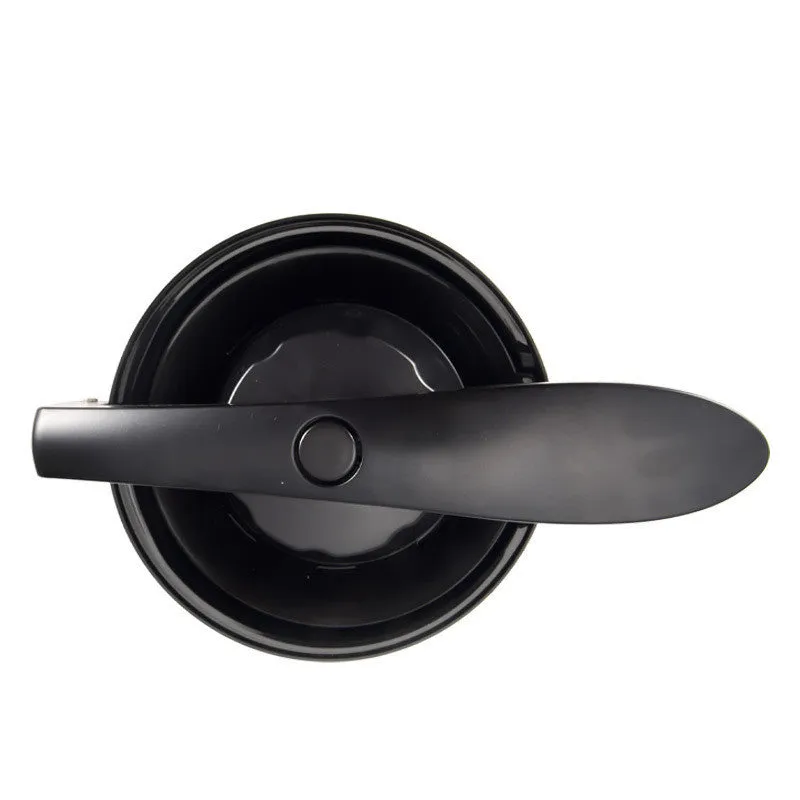
Citrus juicer separator machine for lemon orange juice making, 120 rpm vertical screw rod cutter with stainless steel body and plastic liner, 601-800ml capacity round feeding port suitable for home kitchen use


Citrus juicer separator machine for lemon orange juice making, 120 rpm vertical screw rod cutter with stainless steel body and plastic liner, 601-800ml capacity round feeding port suitable for home kitchen use
Stainless Steel Citrus Juicer Separator with 120 rpm Vertical Screw Rod Cutter
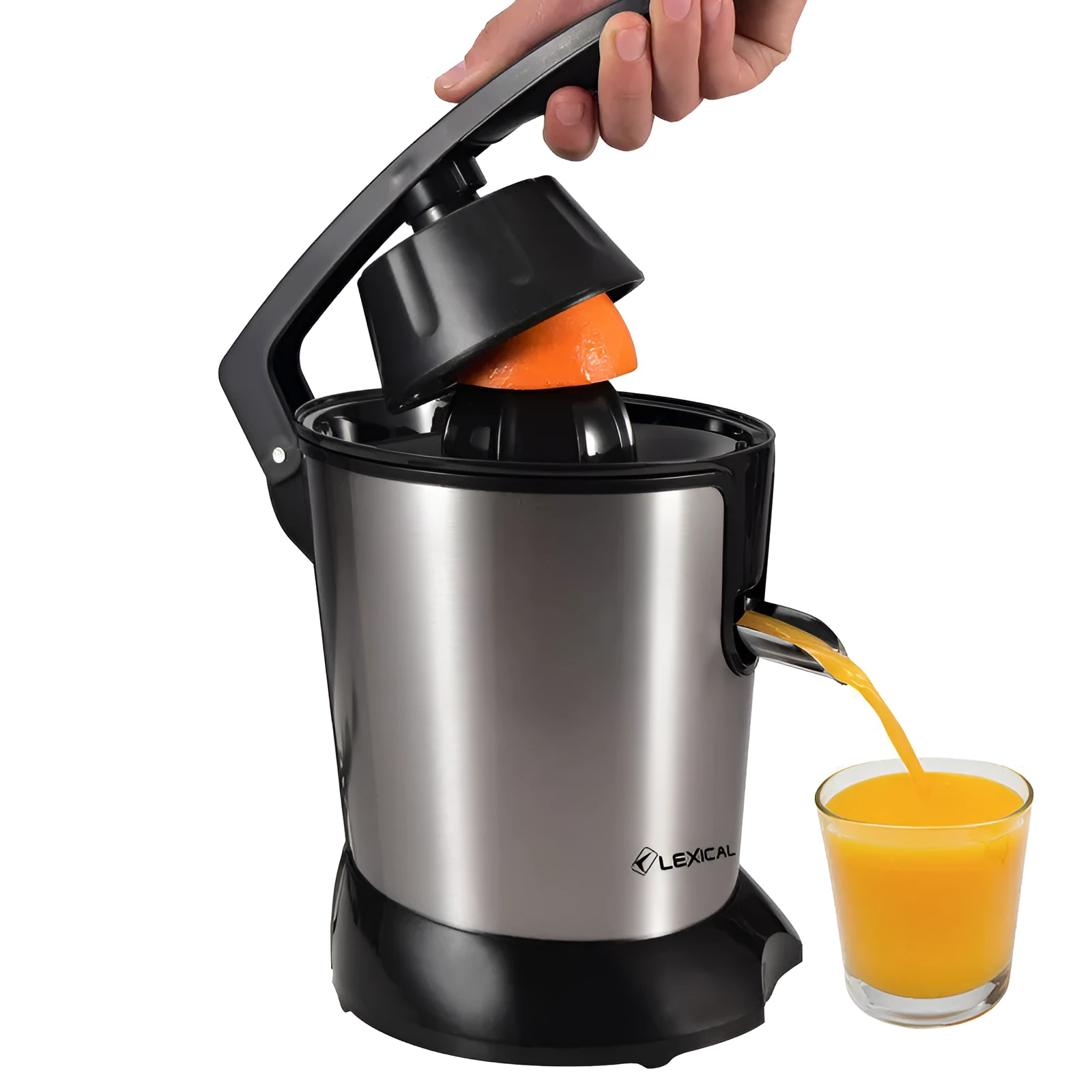
This citrus juicer separator machine is engineered for processing lemons and oranges, focusing on efficient juice extraction within a home kitchen setting. It functions as a dedicated appliance for converting whole citrus fruits into separated juice, operating on standard 220-240V household power. The design centres on a vertical screw rod cutter mechanism, which rotates at a controlled speed of 120 revolutions per minute to press and separate juice from pulp. With a stated capacity range between 601mL and 800mL, it is sized for preparing fresh juice batches without occupying excessive counter space. The round feeding port provides a clear entry point for fruit, supporting a straightforward user process from loading to final clean-up.
Features and Construction
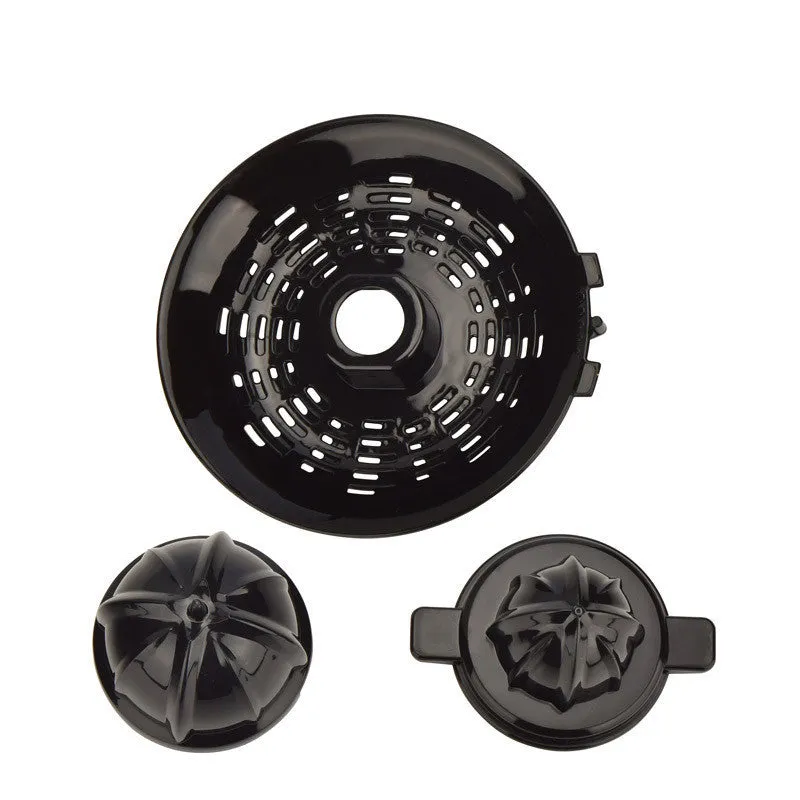
The juicer's performance is defined by several core mechanical and material specifications provided in the source details. These elements combine to create a functional appliance for a specific juicing task, with construction choices aimed at balancing durability and practical maintenance.
Material and Build
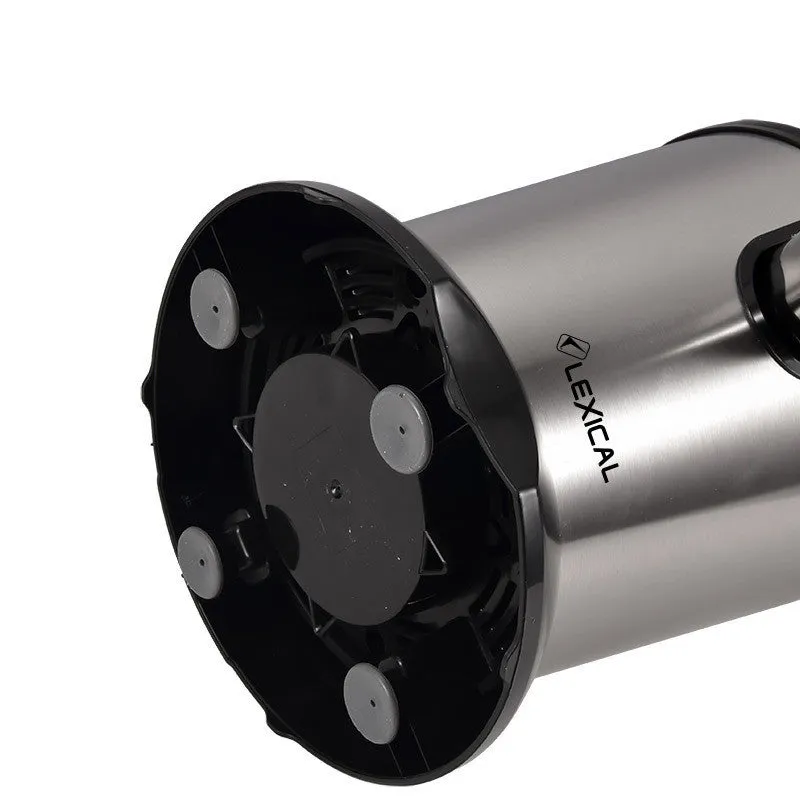
The primary structural material for the juicer's body is stainless steel, which is commonly selected for kitchen appliances due to its cleanable surface and resistance to moisture. The internal liner assembly incorporates plastic components, which may contribute to weight reduction and impact resistance. This material combination is practical for a juicer, where parts are regularly exposed to acidic fruit juices and require washing. The construction does not include additional performance claims beyond the stated material list, focusing instead on the basic material composition that supports the machine's function.
Size and Practical Fit
The juicer's capacity is specified as a range from 601mL to 800mL inclusive, indicating the volume of juice it can process or hold in a single operation. This capacity is relevant for users determining batch sizes for family consumption or small gatherings. The round shape of the feeding port is a stated design feature, influencing how fruit is inserted and potentially reducing preparation time. As a countertop electrical appliance, its physical footprint is implied by its function, but exact external dimensions are not provided in the source text, so assessment should be based on the confirmed capacity metric.
Uses and Placement
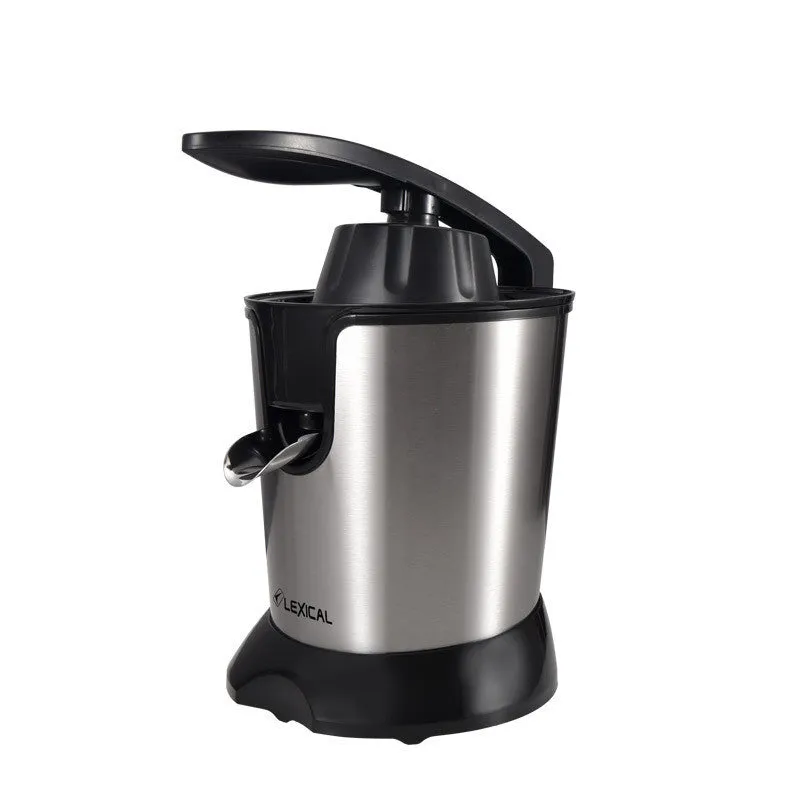
This machine is designated for juicing, with explicit reference to lemon and orange processing. Its application is primarily domestic, given the voltage specification and capacity scale, fitting naturally within a home kitchen environment for daily or occasional fresh juice preparation.
Event or Professional Use
While the 601-800mL capacity and 120 rpm operation could support small-scale catering or market stall applications for fresh juice, the source text does not specify commercial or heavy-duty use. The 220-240V power requirement aligns with standard domestic and many European commercial sockets, but any professional deployment would depend on additional durability factors not covered in the provided specifications. Users considering such applications should note the absence of extended runtime or high-volume cycle claims in the available data.
Everyday Home Use
For home kitchens, this juicer separator addresses the routine task of making fresh citrus juice without manual pressing. The vertical screw rod and 120 rpm motor provide a mechanical advantage over hand juicers, reducing effort for regular users. The round feeding port and stated capacity suit family breakfasts or weekend juice preparation, where processing several fruits consecutively is common. Its function is straightforward: insert fruit, activate the machine, and collect the separated juice, integrating into a standard kitchen workflow.
Benefits and Buying Value
The value of this citrus juicer lies in its defined mechanical operation and material choices, which cater to a specific kitchen task. It offers an alternative to manual juicing methods, with the electrical system automating the pressing action for consistent results.
Reuse and Low Maintenance
The stainless steel body and plastic liner materials are selected in part for their cleanability, supporting reuse over multiple juicing sessions. Maintenance is limited to post-use cleaning, as no complex servicing or part replacement is indicated. The simplicity of the vertical screw rod mechanism suggests fewer moving parts than some juicer types, which may contribute to reliable operation within its capacity limits. The appliance's value includes this potential for repeated home use with minimal upkeep, based on its material composition and stated function.
Why Choose This Product
This juicer is a match for buyers seeking a dedicated electrical appliance for citrus fruits, with confirmed specifications including the 120 rpm vertical screw rod cutter and 601-800mL capacity. Its differentiation rests on these concrete details: the specific cutter type, the rotational speed, the material list, and the capacity range. When compared generically to manual juicers or multipurpose blenders, it provides a focused mechanical extraction method for lemons and oranges. The choice is supported by the need for efficient, batch-sized citrus juicing in a home setting, where the provided specifications meet that practical requirement.