
Cast iron manual juicer with ductile iron body base, 304 stainless steel funnel strainer and aluminum alloy gland for household use, 40cm high available in black or white for citrus fruit pressing


Cast iron manual juicer with ductile iron body base, 304 stainless steel funnel strainer and aluminum alloy gland for household use, 40cm high available in black or white for citrus fruit pressing
Cast iron manual citrus juicer for household kitchens, 40cm high with stainless steel strainer
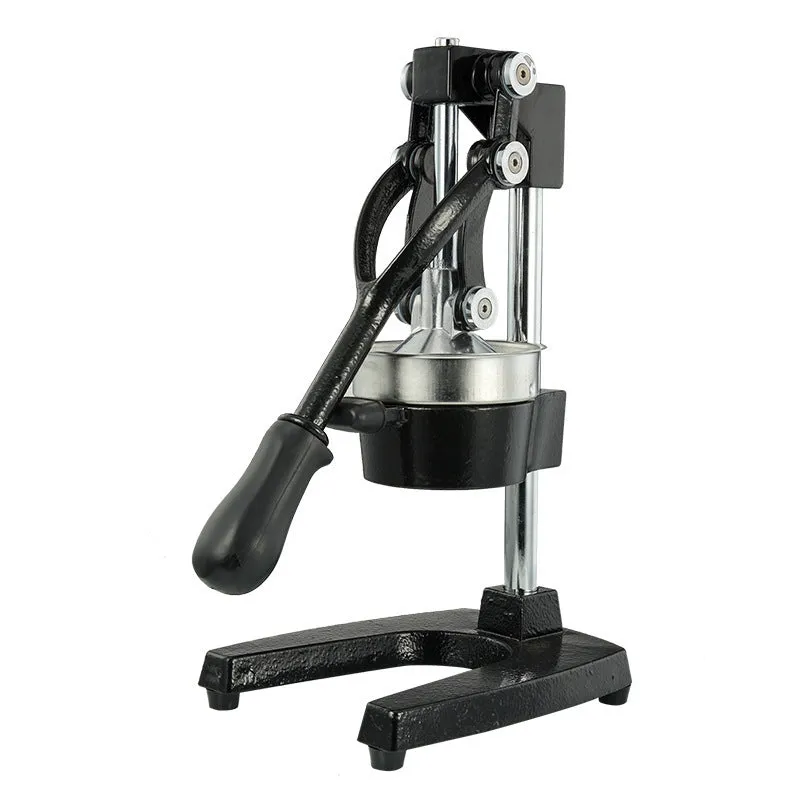
This manual juicer offers a non-electric method for extracting juice from citrus fruits like oranges, lemons and limes. Designed for household kitchens, its 40cm height makes it suitable for use on standard worktops and dining tables. The juicer comes ready to assemble from the supplied components, requiring no special tools or electrical connections. Its manual operation provides direct control over the pressing pressure and juice yield, useful for recipes requiring specific quantities or when processing smaller batches of fruit.
Features and Construction

The juicer is built from several distinct material components, each selected for their practical role in the juicing process. These materials combine to create a unit that focuses on mechanical function and straightforward cleaning after use.
Material and Build
The body base is constructed from ductile cast iron, a material chosen for its weight and stability during the manual pressing action. This helps prevent the juicer from shifting or tipping when force is applied to the fruit. The funnel strainer is made from 304 stainless steel, a food-safe grade that resists corrosion from acidic citrus juices and is straightforward to clean. The gland component uses aluminium alloy, contributing to the mechanical assembly that completes the juicing mechanism.
Size and Practical Fit
With an overall height of 40cm, the juicer is designed to fit comfortably on most kitchen countertops without occupying excessive vertical space. This height allows users to operate the handle and apply downward pressure without excessive bending or awkward positioning. The footprint of the cast iron base is not specified but is implied to provide sufficient stability for the juicing task given the material choice.
Uses and Placement
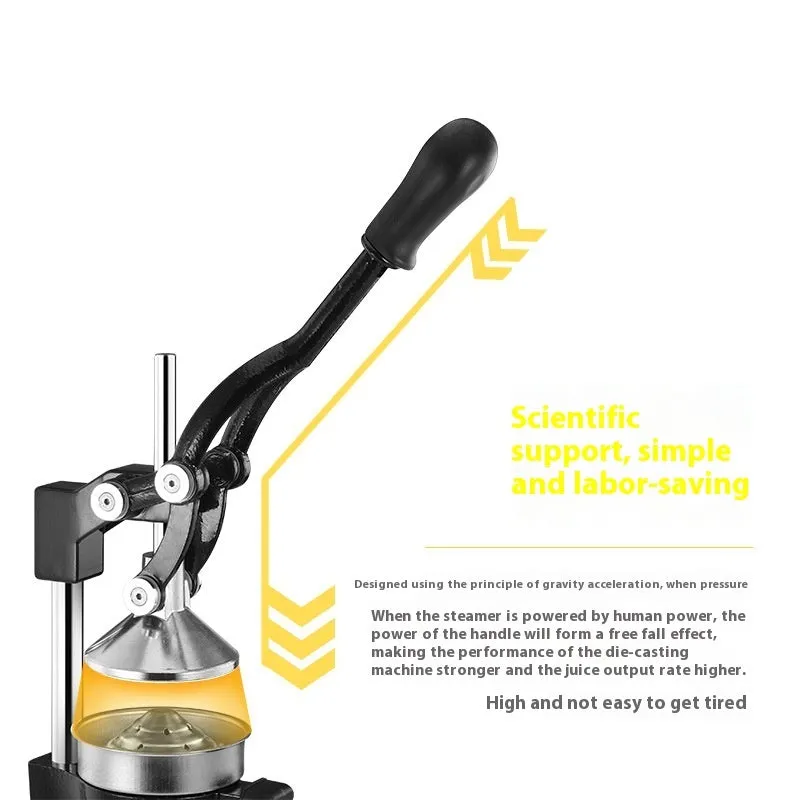
The manual juicer is intended for extracting juice from citrus fruits in domestic settings. Its design suggests it is most suitable for occasional or regular household use rather than continuous commercial operation.
Event or Professional Use
While primarily designed for home kitchens, the manual operation and durable material construction could support its use in settings where electrical outlets are unavailable or where portable juice preparation is needed. Examples might include outdoor events, market stalls serving fresh drinks, or small catering operations where controlled, small-batch juicing is preferred over electric alternatives.
Everyday Home Use
In a household kitchen, the juicer provides a tool for making fresh orange juice at breakfast, extracting lemon juice for cooking and baking, or preparing lime juice for drinks and marinades. The manual operation means it can be used without planning for power access, and its simple construction suggests minimal setup time. The stainless steel strainer helps separate pulp from juice, resulting in a smoother liquid for drinking or recipes.
Benefits and Buying Value
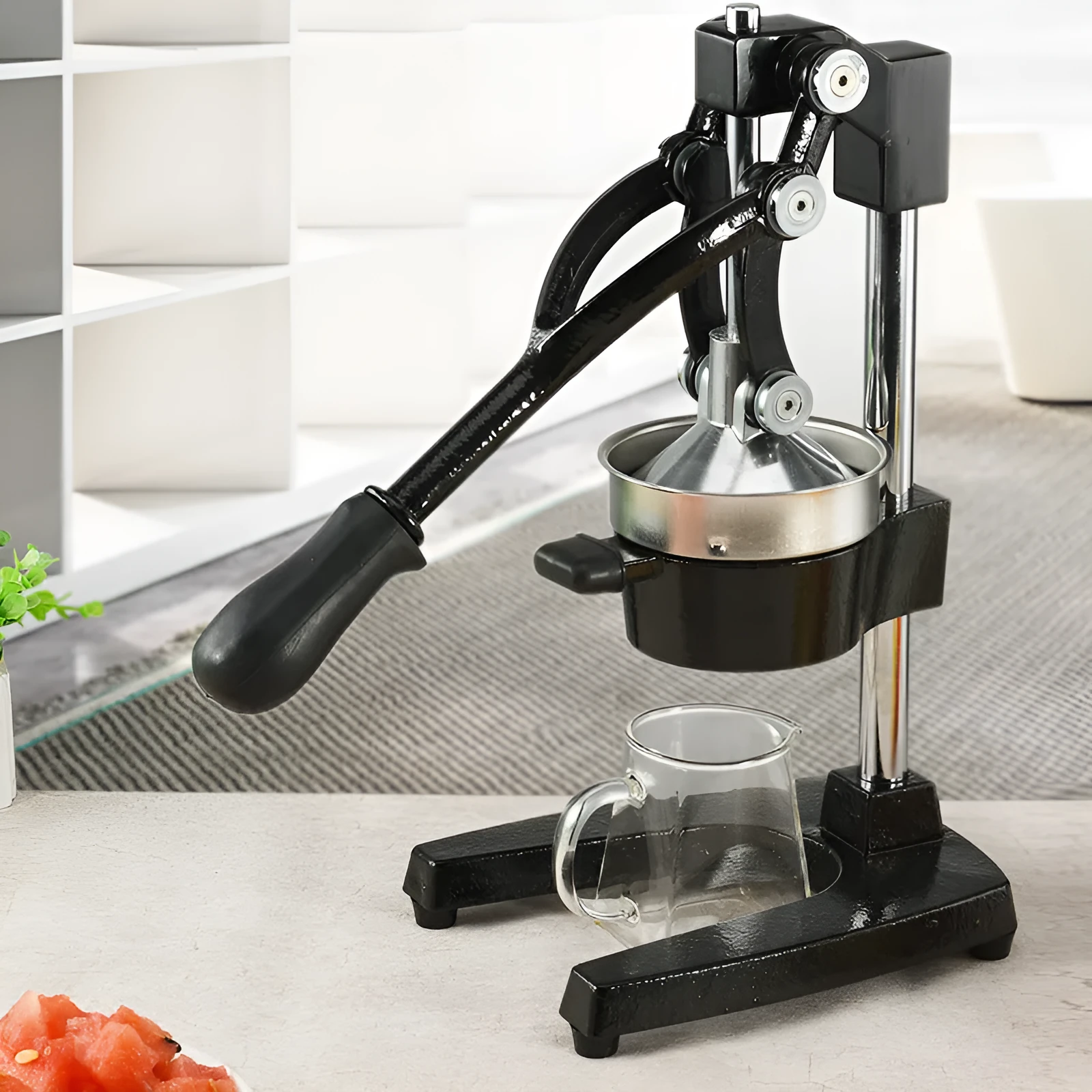
The juicer’s value lies in its material durability, manual operation, and straightforward design. It offers a mechanical alternative to electric juicers that may have more complex parts or require maintenance.
Reuse and Low Maintenance
The cast iron, stainless steel and aluminium alloy components are inherently durable materials that, with proper care, can withstand repeated use over time. The manual mechanism has fewer moving parts than electric models, reducing points of potential mechanical failure. Basic cleaning after each use helps maintain hygiene and prevent residue buildup that could affect future juice flavour.
Why Choose This Product
This juicer suits users who prefer manual kitchen tools, need a juicer for occasional use without dedicating counter space to an electric appliance, or want a durable, non-electric option. The specified materials indicate a focus on functional longevity rather than complex features. The two colour options (black and white) allow some matching with existing kitchen equipment, though the primary selection criteria should be based on the manual operation and material construction.
