EasyThreed 3D Printer K10 for entry level use TPU and PLA filament with 175mm print bed height


EasyThreed 3D Printer K10 for entry level use TPU and PLA filament with 175mm print bed height
EasyThreed K10 3D Printer for Entry-Level TPU and PLA Printing
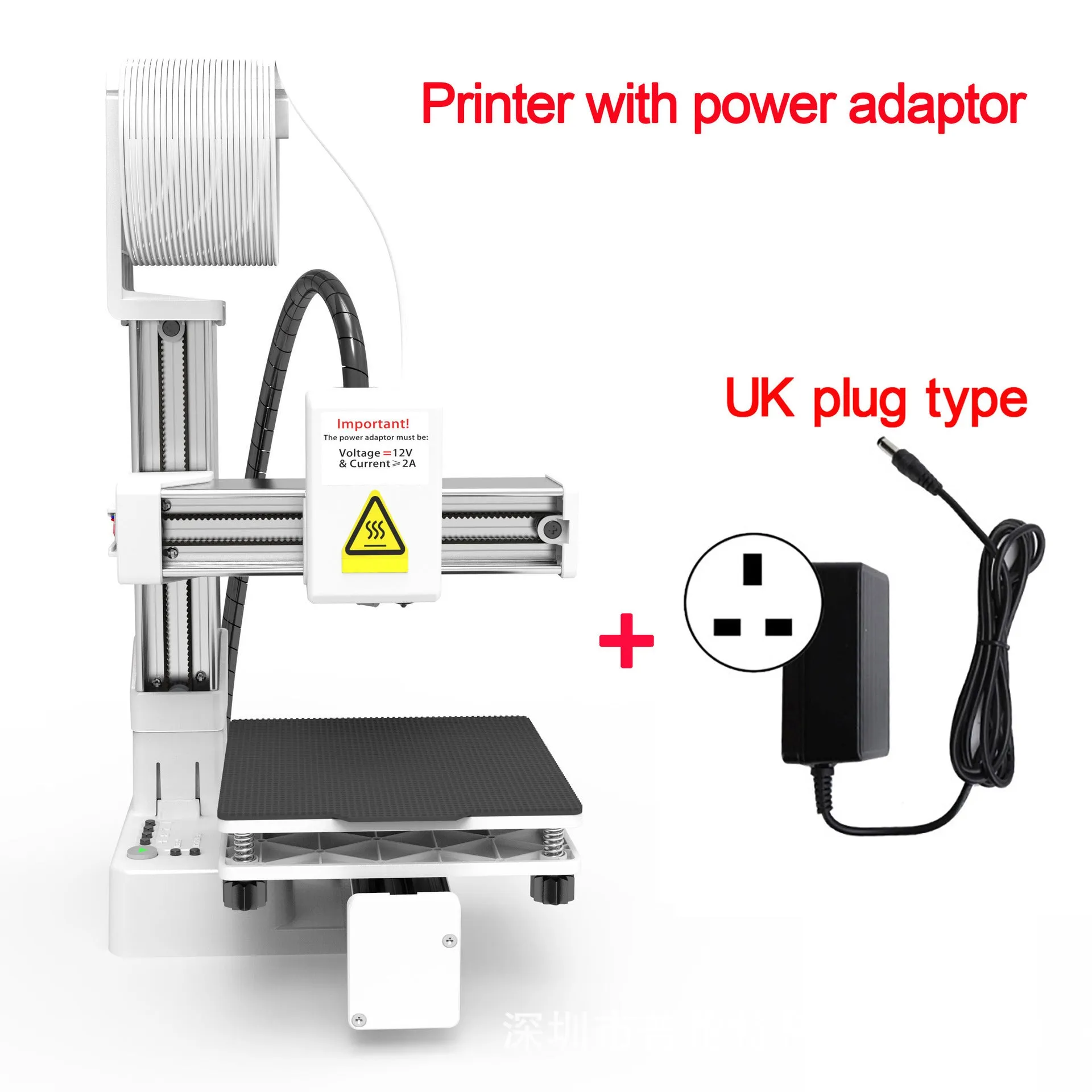
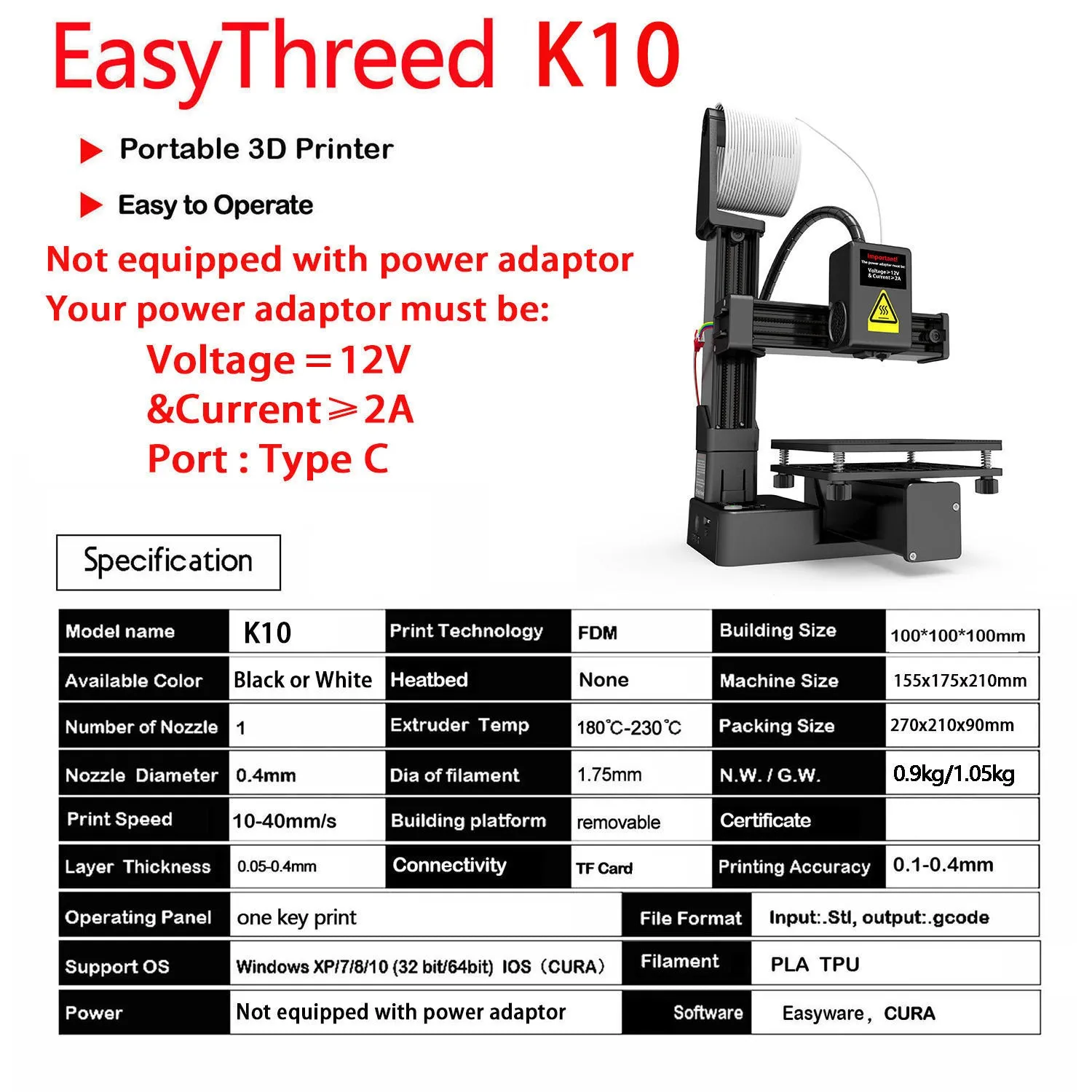
The EasyThreed K10 3D printer provides a practical starting point for learning 3D printing technology. Designed to work with TPU (a flexible material) and PLA (a common, rigid plastic), it offers users the ability to experiment with different material properties. Its defining characteristic is a maximum print bed height of 175mm, which sets the vertical limit for any models you create. The printer operates on a relatively low 24W power consumption and comes ready to use with a power cord and manual, available in a standard white finish with your choice of regional power adaptor.
Features and Construction
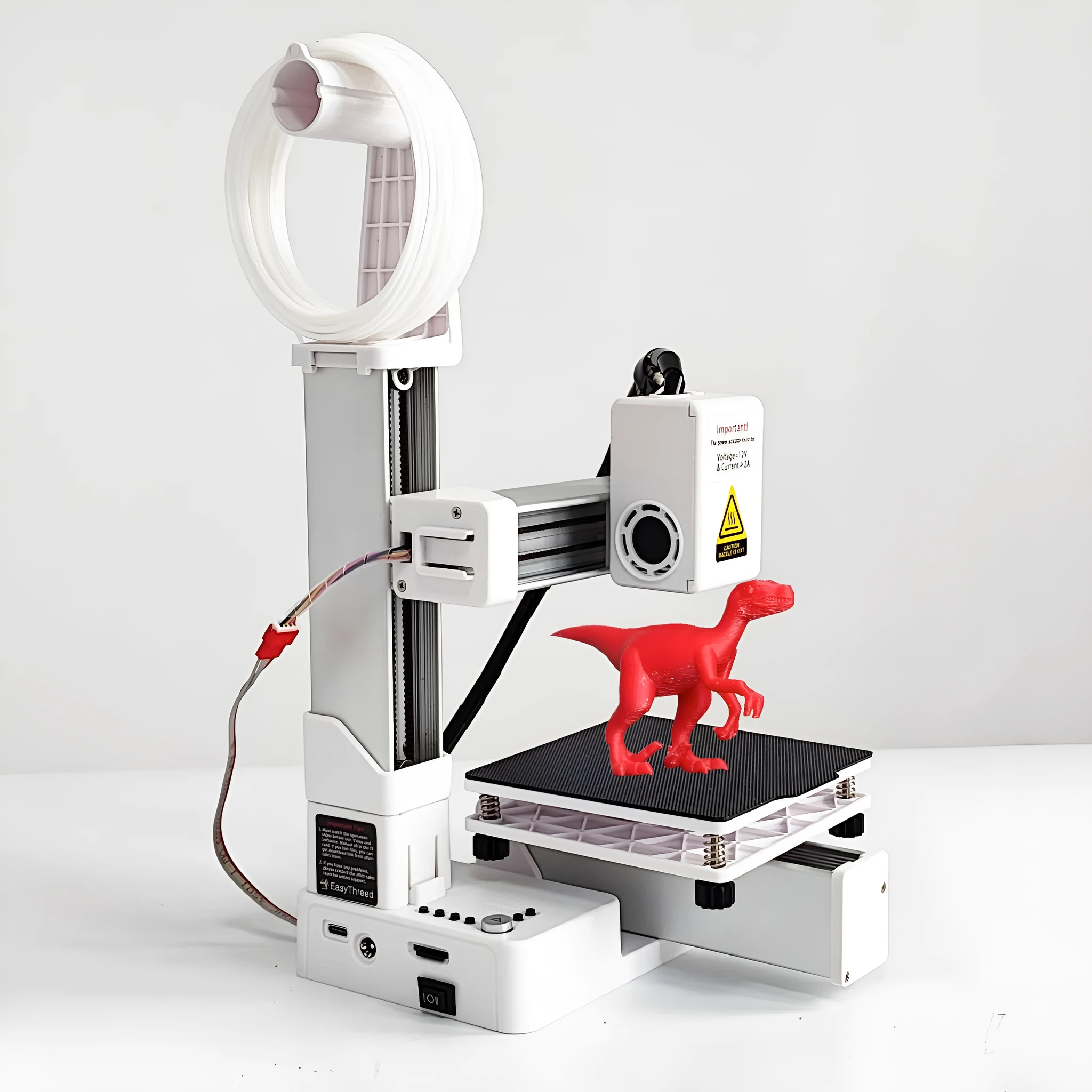
The K10 is built as an accessible tool, focusing on core functionality for new users. Its construction centres on compatibility with specific materials and straightforward setup.
Material and Build
This printer is specified for use with TPU and PLA filaments. PLA is a widely used thermoplastic favoured for its ease of printing, while TPU offers flexible, rubber-like properties. The printer's build is tailored to handle these two distinct material types, providing a foundation for diverse project outcomes from rigid prototypes to bendable components. The unit itself is finished in a white colour.
Size and Practical Fit
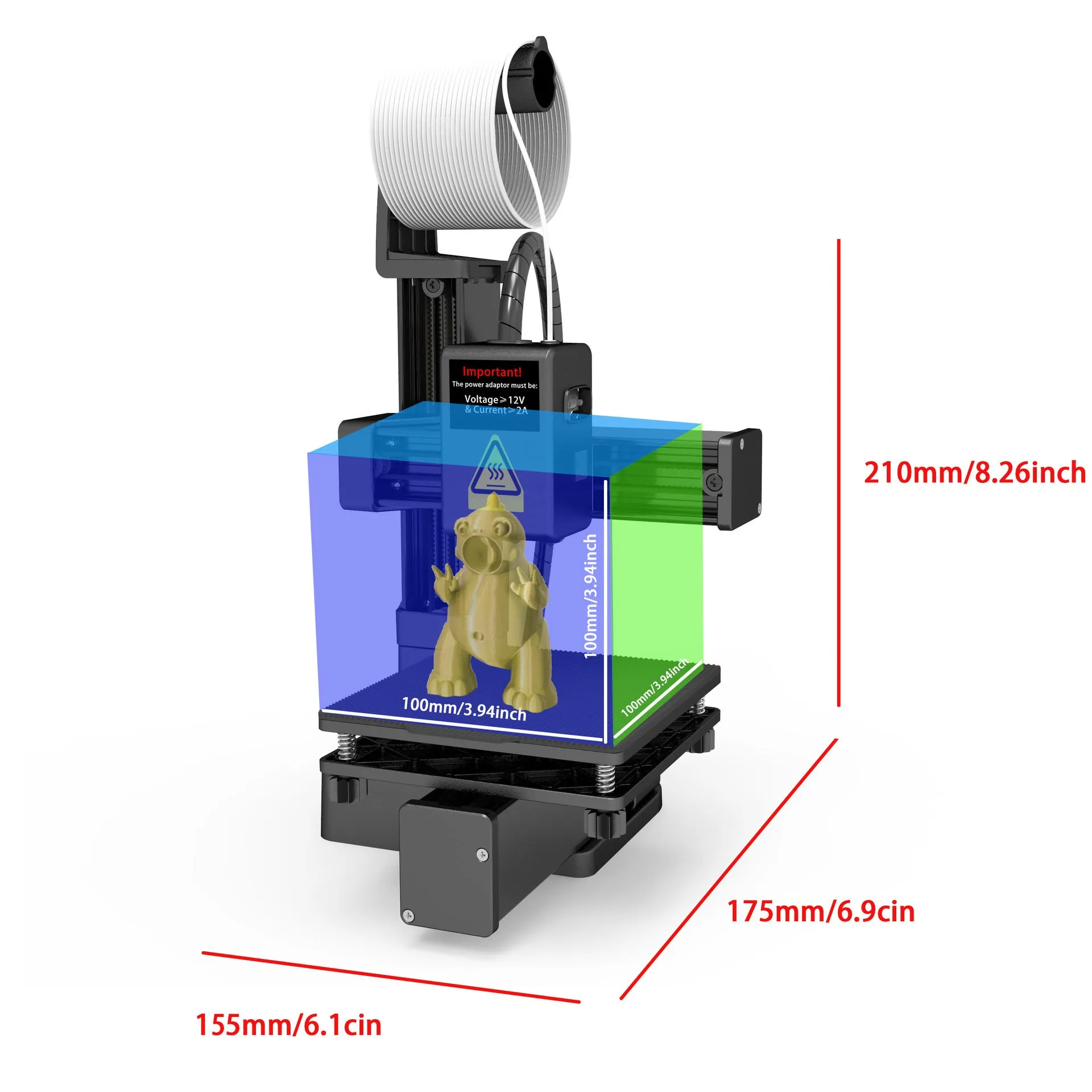
The key dimensional specification is the 175mm maximum print bed height. This measurement determines the tallest single object you can print on the K10. It suits a range of entry-level projects such as detailed figurines, functional tool handles, custom brackets, or educational models. The compact form factor and 24W power draw mean it can be used conveniently in a classroom, workshop, or home office setting without excessive energy use.
Uses and Placement
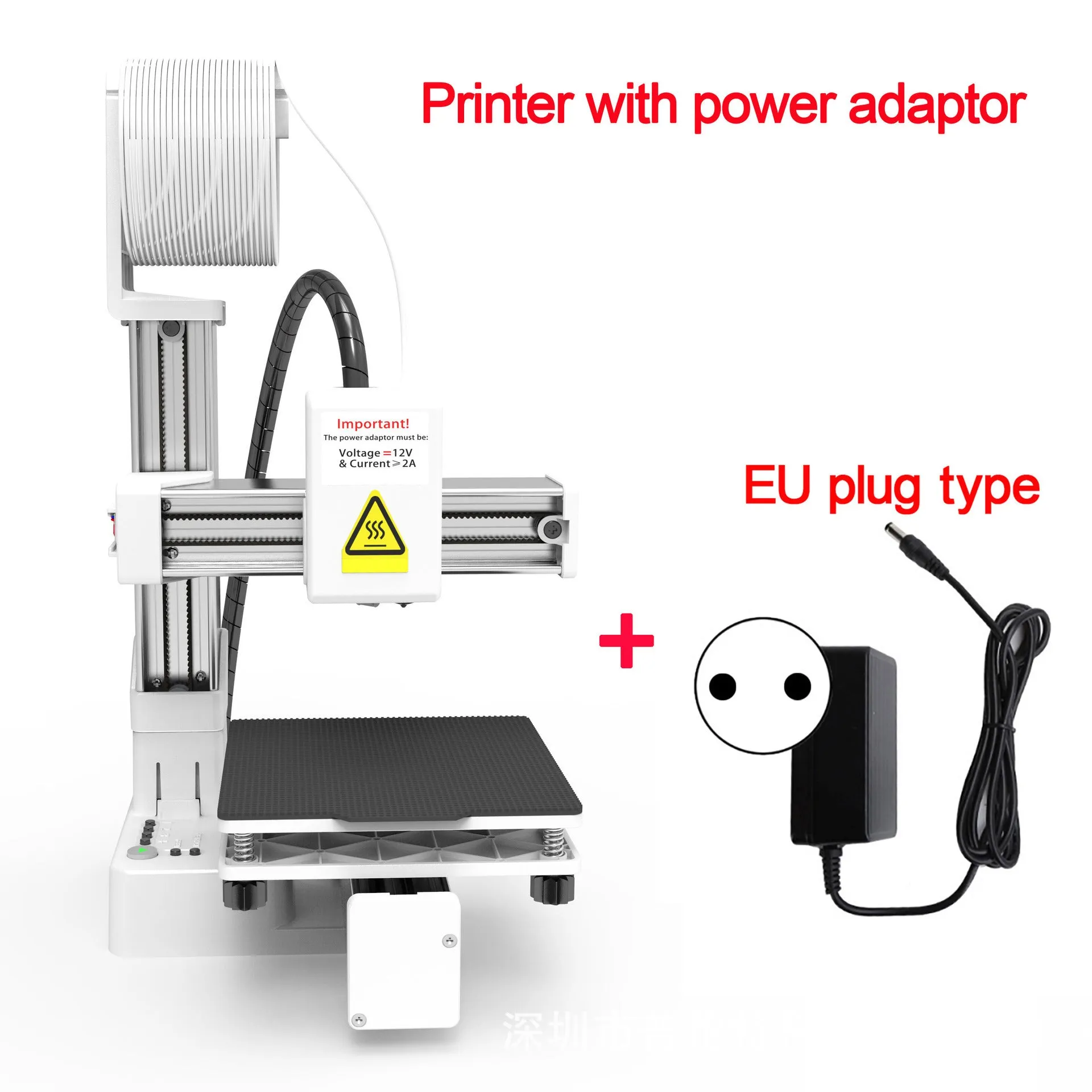
The K10's design makes it relevant for users taking their first steps in 3D creation, as well as for specific practical applications where its material compatibility is beneficial.
Event or Professional Use
In educational or workshop environments, the K10 serves as a reliable tool for demonstrating additive manufacturing principles. Its ability to print both rigid PLA and flexible TPU allows for comparative lessons on material science. For small-scale professional prototyping, especially where flexible parts are needed, the TPU capability can be valuable for creating gaskets, protective bumpers, or wearable item components, all within the 175mm build volume constraint.
Everyday Home Use
For hobbyists and makers at home, the K10 enables the creation of custom household items, repair parts, toys, and decorative objects. The PLA material is ideal for durable, colourfast items like plant pots, cable organisers, or game pieces. The TPU functionality opens doors for printing phone cases, tool grips, or hinges. The included manual and straightforward setup (printer, power cord, manual) facilitate a quick start for personal projects.
Benefits and Buying Value
The value of the EasyThreed K10 lies in its focused design, which reduces complexity for the user while delivering specific, usable capabilities.
Reuse and Low Maintenance
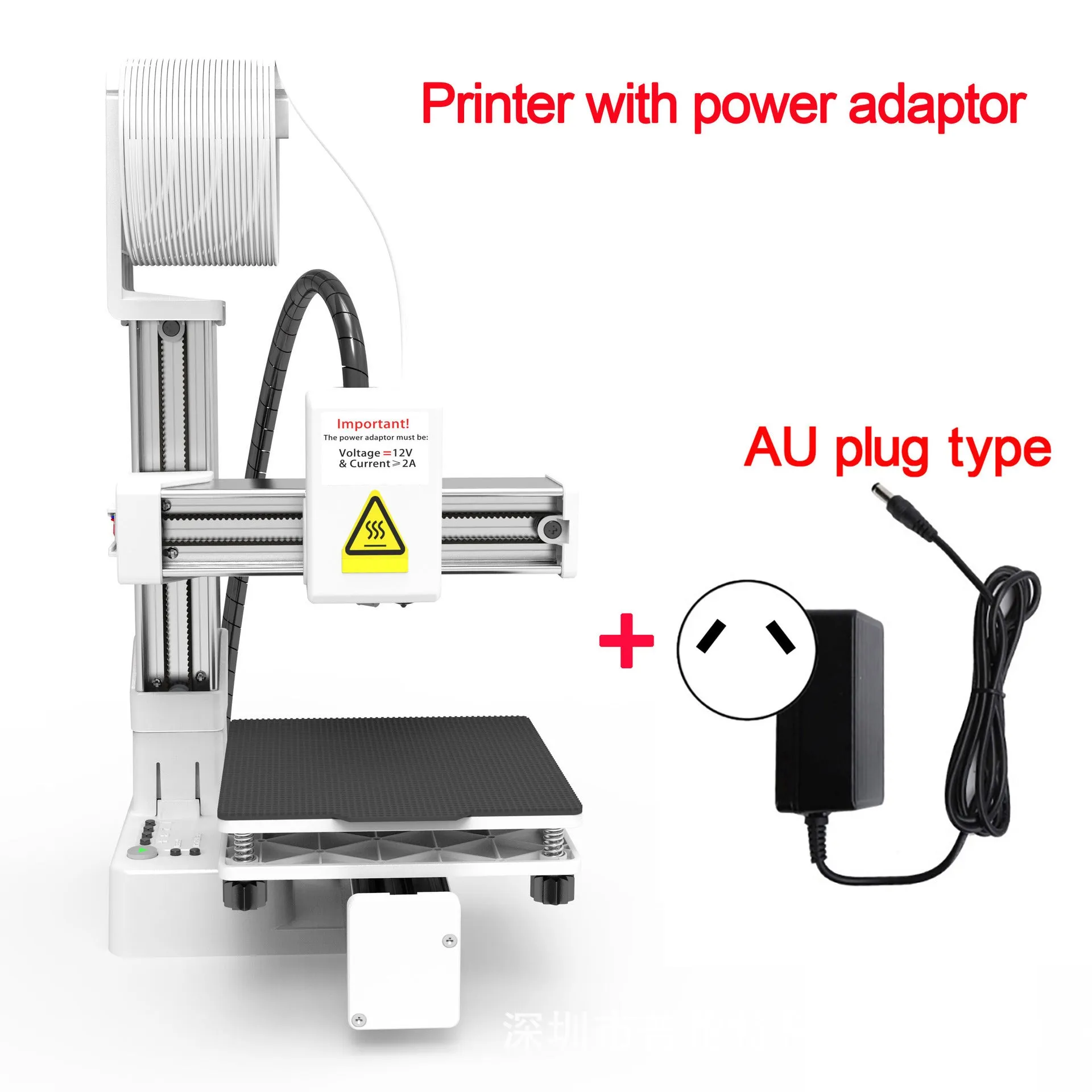
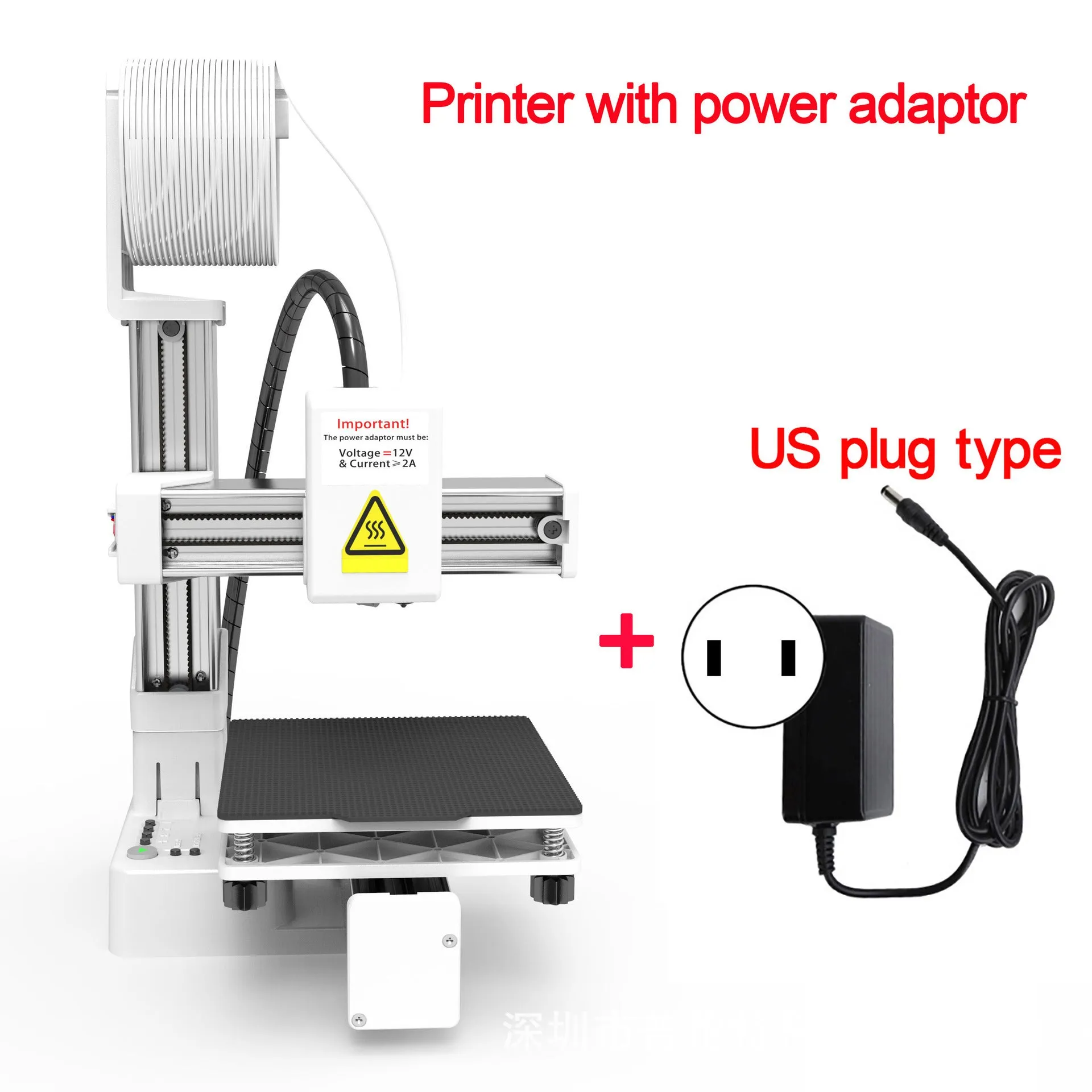
The printer is built for repeated use with its designated filaments. Its 24W power rating suggests efficient operation during print jobs. Maintenance is guided by the supplied instruction manual, and the use of standard TPU and PLA materials means consumables are widely available. Choosing the correct regional power adaptor (AU, EU, UK, or US) ensures compatibility with local 110-230V power supplies, supporting stable long-term use.
Why Choose This Product
You would choose the EasyThreed K10 if your primary need is an uncomplicated 3D printer to begin working with both standard PLA and flexible TPU materials. Its 175mm build height is a concrete specification that defines its project scope, making it a known quantity. The inclusion of a region-specific power adaptor removes a common compatibility hurdle. It represents a dedicated tool for entry-level printing, avoiding advanced features that might complicate the initial learning process.